Flower Arrangement Techniques: How to Create Stunning Floral Arrangements for Any Setting
Learning how to arrange flowers beautifully can elevate any space or event, whether it's a wedding, a party, or your own home. This guide will walk you through the most common flower arrangement techniques, answering your questions about how to balance colours, shapes, and textures to create visually appealing arrangements. Whether you're a beginner or looking to refine your skills, you'll learn how to make professional-looking flower arrangements with ease.
How do I choose the right flowers for a balanced arrangement?
The first step in creating a beautiful flower arrangement is choosing the right flowers. But how do you ensure that your choices work well together?
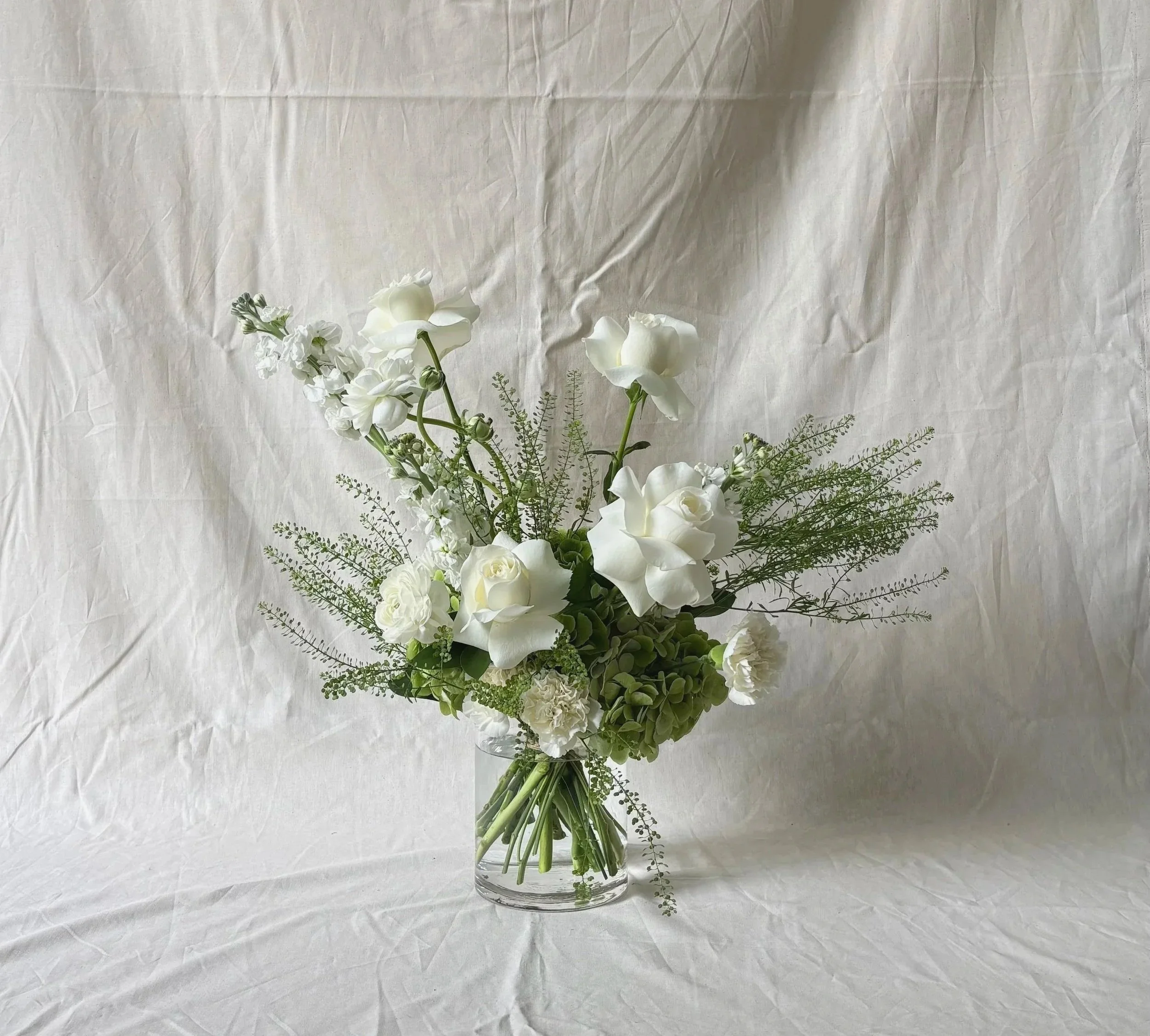
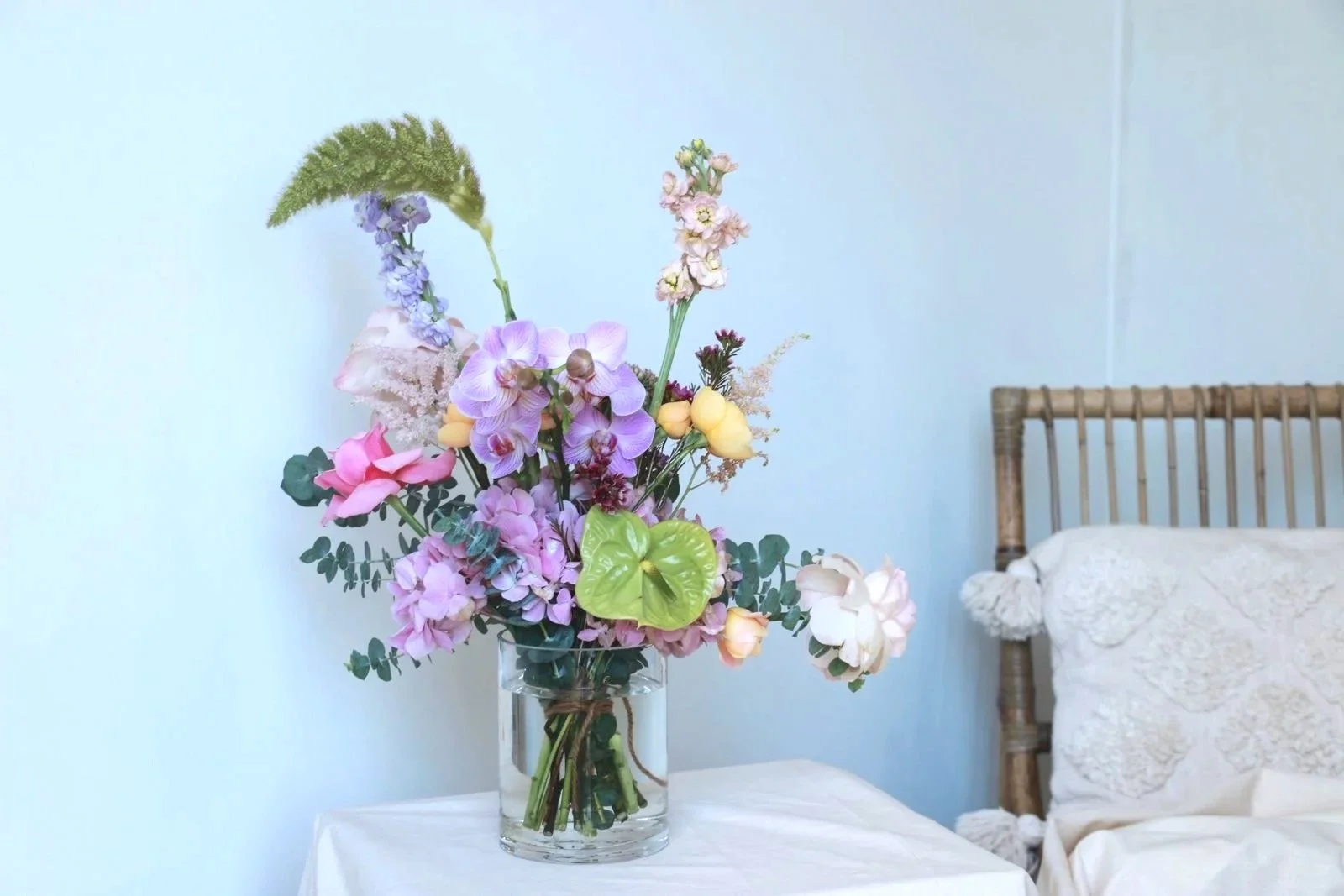
Start by selecting a focal flower, this is the star of your arrangement. Popular focal flowers include roses, peonies, or lilies, which are larger and more attention-grabbing. Once you’ve picked your focal flower, choose supporting flowers that complement the main blooms but don’t outshine them. For instance, if you’ve chosen bright red roses, consider white lilies or green hydrangeas as your supporting flowers.
Next, add filler flowers, like baby’s breath or greenery, to give your arrangement volume and texture without distracting from the main blooms. Remember to balance colors and textures. Too many bold colors can clash, so if your focal flower is vibrant, opt for softer, neutral tones in your supporting and filler flowers.
What is the best method to arrange flowers in a vase?
Arranging flowers in a vase seems simple, but the technique you use can make all the difference. A common question is, "What’s the best method to arrange flowers?"
One popular technique is the spiral method, where you cross the stems as you place them into the vase. Start with your focal flowers, placing them at angles in a clockwise direction. As you add supporting flowers, continue to rotate the vase and place the stems at an angle, creating a spiral effect. This method ensures that each bloom has enough space to shine and adds a natural flow to the arrangement.
For shorter vases, you might prefer the grid method. Place floral tape in a crisscross pattern across the top of the vase, forming small squares. This structure helps hold the flowers in place, allowing you to create a full and balanced arrangement without the stems slipping out of position.
How do I create a cascading floral arrangement?
Cascading floral arrangements are often seen at weddings or special events, but how can you create this stunning effect?
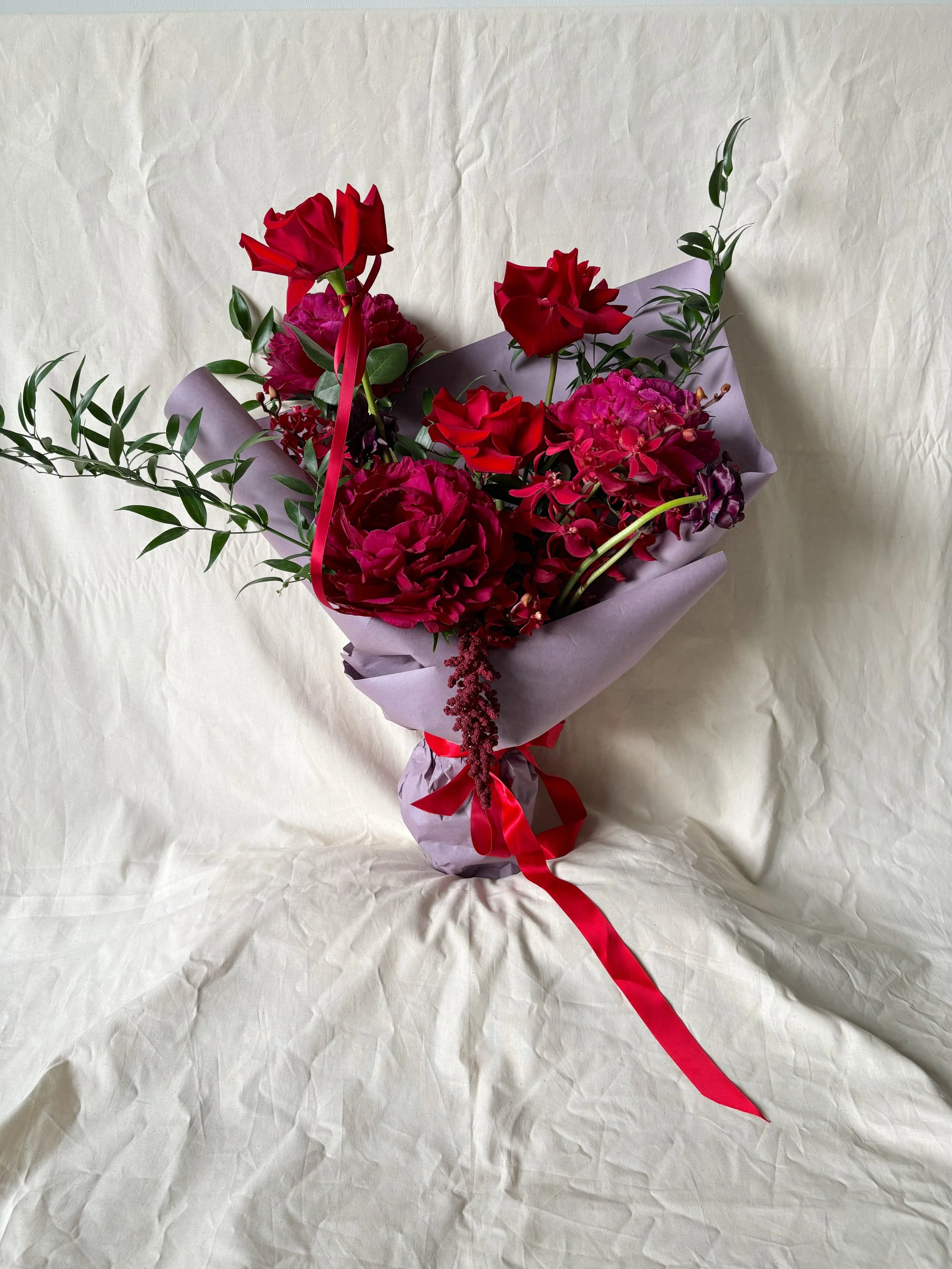
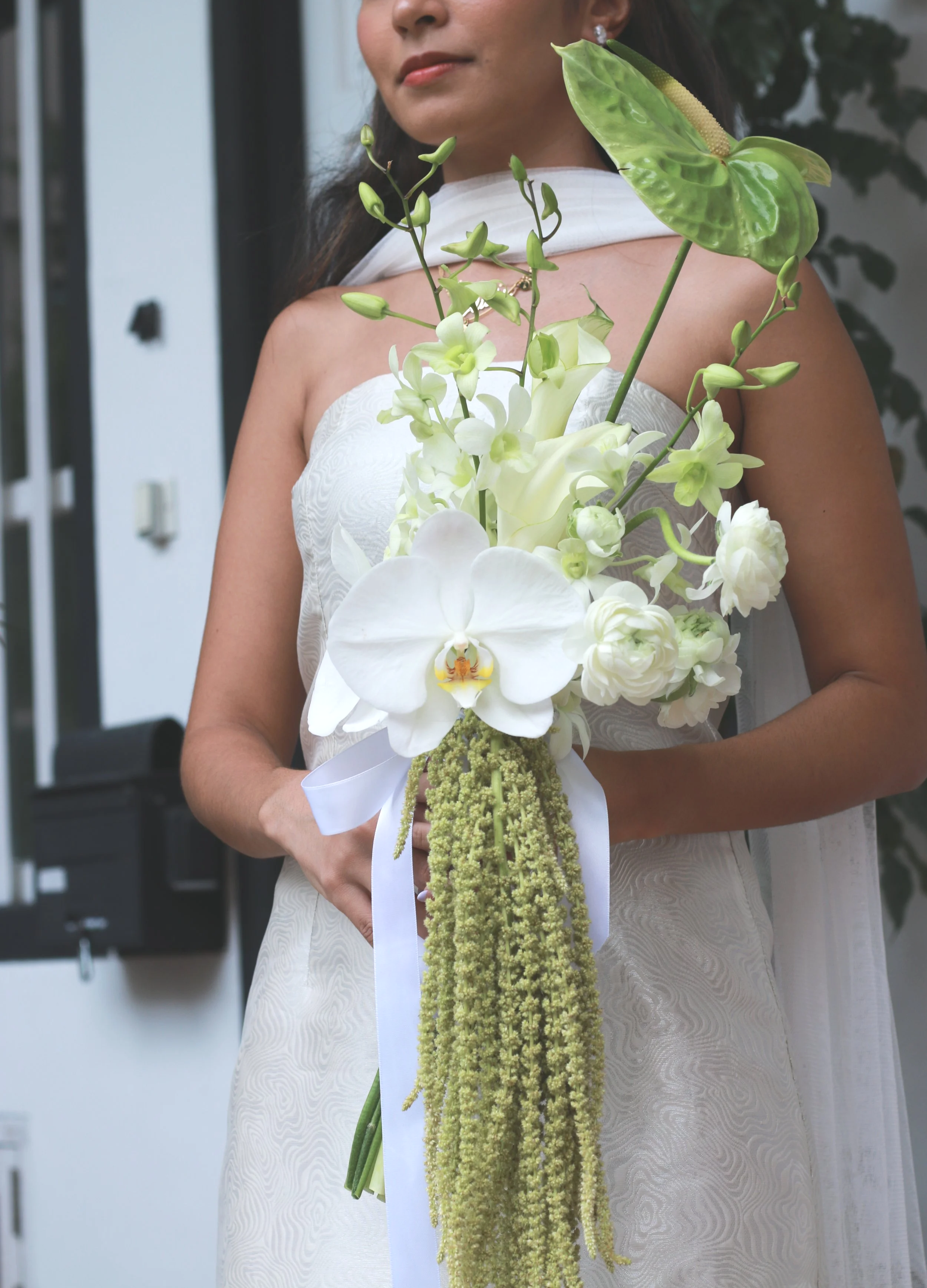
A cascading arrangement typically features flowers that flow downward, giving the illusion that they are spilling out of the vase or bouquet. To achieve this look, start with a tall vase or container that provides enough height for the flowers to drape naturally. Use long, trailing flowers like ivy, amaranthus, or orchids to create the cascade effect. Begin by placing your cascading flowers first, letting them drape over the edge of the vase. Then, fill in the upper portion with fuller blooms like roses or peonies, ensuring that the cascade remains the focal point.
This technique works beautifully for centerpieces or bridal bouquets, adding an elegant and dynamic touch.
What are the basic rules of floral design?
While creativity is key in floral design, there are a few basic principles that can help guide you in making more cohesive arrangements.
Balance: This refers to both visual and physical balance. Visually, balance is achieved by distributing flowers evenly throughout the arrangement, ensuring that no one side feels too heavy. Physically, balance ensures the arrangement doesn’t tip over. Larger, heavier blooms should be placed lower or in the center, while lighter, smaller flowers can be arranged higher or around the edges.
Proportion: This rule refers to the size of your flowers in relation to your container. As a general guideline, the height of your flowers should be 1.5 to 2 times the height of your vase or container. Too many large flowers in a small vase can overwhelm the arrangement, while too many small flowers in a large vase can feel sparse.
Contrast and harmony: Use a variety of textures, shapes, and colors to create contrast. For example, pair soft roses with spiky delphiniums, or mix smooth, round peonies with feathery ferns. At the same time, aim for harmony by ensuring that your colors complement one another, rather than clash.
Focal point: Every arrangement should have a focal point that draws the eye. This is often your largest or brightest flower, around which the rest of the arrangement is built. Make sure the focal point is centered and surrounded by supporting flowers.
What techniques can I use for modern flower arrangements?
Modern floral design often breaks traditional rules, favoring minimalism, asymmetry, and unique containers. To create a contemporary arrangement, consider these techniques:
Negative space: Rather than filling every inch of your container with flowers, modern arrangements embrace empty spaces to create a more open and airy feel. Use fewer flowers and let the shape of the vase or the space between blooms speak for itself.
Asymmetry: While traditional arrangements focus on balance and symmetry, modern designs often favor an asymmetrical approach. For example, place a cluster of flowers on one side of the vase and leave the other side more sparse.
Unusual containers: Modern arrangements often use non-traditional containers like geometric shapes, glass domes, or even repurposed objects like teapots or mason jars. These unique containers add an artistic touch to your floral design.
How do I arrange flowers for different settings like weddings, parties, or home décor?
Flower arrangements vary depending on the occasion and setting. Here's a quick guide to help you choose the right approach:
Weddings: Wedding arrangements are often more formal and elaborate. Centerpieces should complement the color scheme of the wedding, and cascading bouquets are popular for the bride. Use seasonal flowers for the freshest and most cost-effective arrangements.
Parties: For parties, go for bright, bold colors and playful textures. You can experiment with mixed heights and unexpected containers, like colorful vases or jars. Party arrangements should feel lively and celebratory.
Home décor: When arranging flowers for home décor, choose colors and styles that complement the room. For example, soft pastels work well in a light, airy room, while rich, jewel tones are perfect for cozier spaces. Minimalist designs with a few large blooms can add a modern touch, while more intricate designs add a sense of luxury.
Key Takeaways for Flower Arrangement Techniques:
Choosing flowers: Pick a focal flower, supporting flowers, and fillers for balance.
Arranging in a vase: Use the spiral method for flow or the grid method for stability.
Cascading arrangements: Use trailing flowers like ivy or orchids for dramatic effects.
Design principles: Follow rules like balance, proportion, and contrast for professional-looking arrangements.
Modern techniques: Embrace minimalism, negative space, and asymmetry for contemporary designs.
Different settings: Tailor your arrangements to the event—formal for weddings, bold for parties, and complementary for home décor.
Mastering these techniques will help you create stunning flower arrangements for any occasion, adding beauty and elegance to any setting.
Flower Care Tips: How to Keep Your Blooms Fresh for Longer
Keeping flowers fresh for longer doesn't have to be a mystery. By understanding key flower care tips like proper watering, trimming stems, and placing flowers in the right environment, you can extend their life and enjoy their beauty for days, if not weeks. This guide will answer your questions about the best practices for flower care and share expert advice to ensure your blooms stay vibrant.
For cut flowers in a vase, make sure the water level is sufficient to cover the bottom of the stems, and change the water frequently. Adding flower food (often provided by florists) or a teaspoon of sugar to the water can also help keep your blooms fresh longer.
How should I trim the stems of my flowers?
Trimming your flower stems is crucial to their longevity. When flowers are cut, the ends of the stems begin to dry out and block water absorption. To avoid this, always trim the stems at an angle of about 45 degrees using a sharp pair of scissors or pruning shears. This gives the stems more surface area to take in water.
Trimming should be done every 2-3 days, just before you replace the water in your vase. Also, remove any leaves that fall below the waterline, as they can decay quickly and breed bacteria, which shortens the flowers' lifespan.
How do I choose the right vase for my flowers?
You may be surprised by how important vase choice is to keeping flowers fresh. One of the most common mistakes is using a vase that’s too small for the arrangement, leading to overcrowded stems, which can cause wilting. Ensure your flowers have room to breathe by choosing a vase with a wide enough opening to hold the stems comfortably without them being squished together.
If you're unsure, opt for a vase that matches the length of the flowers. Tall flowers, like lilies or roses, need taller vases, while shorter blooms like tulips or daisies do better in shorter vases.
Does the environment impact how long my flowers last?
Yes, the environment plays a huge role in how long your flowers stay fresh. Flowers tend to thrive in cool environments, away from direct sunlight, heaters, or drafts. These conditions can cause your flowers to wilt prematurely. Instead, place your flowers in a cool, shaded area with moderate humidity, like a kitchen counter or living room.
One surprising flower care tip is to avoid placing your blooms near ripening fruit. Fruits like bananas and apples emit ethylene gas, which can cause flowers to age more quickly.
What can I do to revive wilting flowers?
Sometimes, despite our best efforts, flowers may begin to wilt. But don’t worry, there are a few tricks you can use to revive them. Start by trimming the stems and placing the flowers in fresh water. Another method is to submerge the entire flower, including the blooms, in cold water for about 30 minutes. This rehydrates the plant and can perk up drooping petals.
For woody-stemmed flowers like roses or hydrangeas, another tip is to dip the ends of the stems in boiling water for about 30 seconds before placing them back in the vase. This can unblock air bubbles that may have formed in the stem and allow better water absorption.
Should I use flower food, and what can I use if I run out?
Florists often provide a packet of flower food with your bouquet, but what if you run out? Don’t panic! You can easily make a homemade solution. Flower food contains three key components: sugar, an acid (like lemon juice or vinegar), and a biocide to kill bacteria.
You can replicate this by mixing 1 teaspoon of sugar, 1 teaspoon of lemon juice, and a tiny drop of bleach in a quart of water. This simple mix provides the nutrients your flowers need while keeping the water clean.
Key Takeaways for Flower Care:
Watering: Change the water every 2-3 days and ensure it covers the stems.
Trimming: Trim stems at a 45-degree angle every few days to keep water flowing.
Vase Choice: Use a vase large enough to give your flowers room to breathe.
Environment: Keep flowers cool, away from direct sunlight, heat sources, and fruit.
Revival: Trim stems and immerse in cold water to revive wilting flowers.
Flower Food: Use a homemade mix of sugar, lemon juice, and bleach if you run out.
Potted Flowers: Keep the soil moist and in indirect sunlight for longer-lasting blooms.
With these easy flower care tips, your beautiful arrangements will last much longer, keeping your home full of life and color for days to come.
Sustainable Floristry: How to Make Eco-Friendly Flower Choices
Sustainable floristry is an eco-conscious approach to flower arranging and growing that reduces the environmental impact of the floral industry. This guide will answer common questions about sustainable floristry, such as how florists can reduce waste, what materials are eco-friendly, and how to support local and organic growers. Learn how you can make greener choices when buying flowers, from sourcing locally to opting for reusable materials.
What is sustainable floristry?
Sustainable floristry refers to practices that minimize the environmental impact of the floral industry. But what exactly makes floristry sustainable?
Reducing waste: Many traditional florists use materials like plastic, floral foam, and non-biodegradable packaging. Sustainable floristry focuses on reducing or eliminating these wasteful materials in favor of reusable or compostable alternatives.
Sourcing locally: Sustainable floristry emphasizes buying from local flower farms to reduce the carbon footprint associated with importing flowers from overseas.
Organic growing: Many sustainable florists prefer to use flowers that are grown without harmful pesticides or chemicals, protecting both the environment and biodiversity.
By making more eco-friendly choices, florists and consumers can help reduce the environmental impact of the floral industry.
How can florists reduce waste in their practices?
One of the biggest challenges in floristry is the waste associated with floral arrangements. So how can florists reduce their waste?
Eliminate floral foam: Floral foam, commonly used to stabilize flowers in arrangements, is made of plastic and is non-biodegradable. Sustainable florists are switching to alternatives like chicken wire, water vials, or compostable moss to achieve the same effect without the environmental harm. At Frändén and Co. we’re proud to be floral foam free.
Reduce plastic use: Many flower shops package their bouquets in plastic wrap, which adds to landfill waste. Sustainable florists opt for paper wrapping, recycled ribbon, or even fabric to reduce plastic usage. At Frändén and Co. we send out your arrangements in a vase, for free!
Compost flower waste: Instead of discarding flower trimmings and wilted blooms, sustainable florists compost this organic waste, turning it into nutrient-rich soil for future flowers.
Use reusable containers: Florists can offer reusable vases or containers to customers, reducing the need for new ones. Some shops even have vase return programs where customers can return old vases for reuse.
These practices help minimize waste and promote a circular approach to floristry, where materials are reused or composted instead of thrown away.
Why is sourcing locally-grown flowers important for sustainability?
Sourcing locally-grown flowers plays a key role in sustainable floristry. But what are the specific benefits of buying local?
Reduced carbon footprint: Imported flowers often travel long distances by air and require refrigeration to stay fresh, leading to higher carbon emissions. Locally-grown flowers don’t need to be shipped as far, cutting down on the environmental impact.
Fresher flowers: Because local flowers are harvested closer to the time of sale, they tend to be fresher and last longer than imported flowers. This reduces waste as fewer flowers wilt before being used.
Support for local farms: By choosing locally-grown flowers, you’re supporting local farmers and promoting sustainable agricultural practices in your community. Many local flower farms also prioritize eco-friendly growing methods, such as using less water and fewer pesticides.
Local sourcing is one of the easiest ways to make your floral choices more sustainable while also benefiting your local economy.
What are some eco-friendly materials used in sustainable floristry?
Sustainable floristry encourages the use of materials that are environmentally friendly. But what are the most common eco-friendly alternatives?
Biodegradable floral foam: While traditional floral foam is harmful to the environment, biodegradable versions have become available. These eco-friendly foams break down more easily without leaving harmful microplastics behind.
Recycled paper or fabric wraps: Instead of plastic wraps, sustainable florists use recycled paper, fabric, or even natural fibers like jute for packaging flowers. These materials are biodegradable and compostable, leaving less waste behind.
Natural binding materials: Instead of plastic or synthetic ribbons, florists can use natural materials like raffia or twine to bind bouquets. These materials are biodegradable and often more aesthetically pleasing.
Living plants: Potted plants and succulents are a great alternative to cut flowers, as they continue to grow and can be replanted, extending their lifespan and reducing waste.
These materials help reduce the environmental footprint of floral arrangements and align with sustainable values.
How can I support sustainable floristry when buying flowers?
Supporting sustainable floristry is easy if you know what to look for. Here are some ways to make more eco-friendly choices:
Ask about sourcing: When buying flowers, ask your florist where their blooms come from. Florists who prioritize local and organic flowers are often happy to share their sources.
Choose seasonal flowers: Seasonal flowers are often grown locally and require fewer resources to produce. Opting for in-season blooms ensures that your flowers are fresher and have a lower environmental impact.
Reuse vases and containers: Instead of buying new vases each time, bring your own vase to the florist or ask about a vase return program. Reusing containers reduces waste and saves money.
Skip the floral foam: When ordering an arrangement, request that your florist doesn’t use floral foam. Many florists offer alternative options like wire grids or water tubes.
By making these simple changes, you can support sustainable floristry and help reduce the industry’s environmental impact.
Are dried flowers a sustainable option?
Dried flowers have become a popular option for eco-conscious consumers, but are they truly sustainable?
Long-lasting: Dried flowers last much longer than fresh flowers, sometimes for years. This means they can be used in arrangements and décor without needing to be replaced frequently, reducing the demand for fresh flowers.
No need for refrigeration: Unlike fresh flowers, dried flowers don’t need to be kept cool or transported in refrigerated trucks, cutting down on energy use.
Minimal maintenance: Dried flowers require very little maintenance, making them an eco-friendly option for long-term displays. There’s no need for water or plant food, further reducing their environmental footprint.
Recyclable and compostable: Once they’ve outlived their use, dried flowers can be composted or used as decoration in other projects. They break down naturally, leaving little to no waste behind.
Overall, dried flowers are a sustainable alternative to fresh flowers, especially for those looking to reduce their environmental impact.
How can florists incorporate sustainability into wedding arrangements?
Wedding florals are often a huge part of the celebration, but they can also produce a lot of waste. Here’s how florists can make weddings more sustainable:
Use seasonal, local flowers: As with any floral arrangement, sourcing locally-grown, seasonal flowers reduces the carbon footprint and supports local growers. Plus, seasonal flowers often align with the natural beauty of the wedding season.
Opt for reusable décor: Florists can incorporate reusable items like potted plants, which can double as décor and guest favors. These living plants continue to thrive after the event, unlike cut flowers that are thrown away.
Repurpose flowers: Wedding flowers can often be repurposed for different parts of the event. For example, ceremony flowers can be reused for the reception, or bridal bouquets can be transformed into centerpieces.
Donate leftover flowers: Some florists offer services to donate leftover wedding flowers to hospitals, nursing homes, or charitable organizations, ensuring that the blooms don’t go to waste.
By following these tips, florists can help couples celebrate their big day in an eco-friendly and sustainable way.
Key Takeaways for Sustainable Floristry:
Waste reduction: Avoiding floral foam, reducing plastic use, and composting flower waste are key steps toward sustainability.
Local sourcing: Buying flowers from local farms reduces the carbon footprint and supports eco-friendly growers.
Eco-friendly materials: Recycled paper, biodegradable floral foam, and natural fibers help reduce the environmental impact of floral arrangements.
Dried flowers: A long-lasting, sustainable alternative to fresh blooms that requires minimal resources.
Sustainable weddings: Using seasonal flowers, repurposing arrangements, and donating leftover blooms help reduce waste at weddings.
Sustainable floristry is about making mindful choices that protect the environment while still celebrating the beauty of flowers. Whether you’re a florist or a customer, you can make a positive impact by supporting eco-friendly practices in the floral industry.
Flower Meanings: What Do Different Flowers Symbolize?
Flowers are not just beautiful; they carry deep meanings and symbolism that can enhance your gifting experience. Understanding flower meanings helps you choose the right blooms for every occasion, conveying feelings and sentiments that words often cannot express. In this guide, we'll explore the meanings behind popular flowers, their cultural significance, and how to use this knowledge to make thoughtful choices for gifting and arrangements.
What do roses symbolize?
Roses are perhaps the most recognized flowers and are often associated with love and romance. But their meanings can vary depending on their color:
Red roses: Symbolize love, passion, and desire. Perfect for expressing deep affection, especially on anniversaries or Valentine’s Day.
White roses: Represent purity, innocence, and new beginnings. These are often used in weddings or to express sympathy.
Yellow roses: Signify friendship, joy, and warmth. They’re great for celebrating platonic relationships or offering congratulations.
Pink roses: Convey grace, gratitude, and admiration. These are often used to thank someone or express appreciation.
By understanding the meanings of roses, you can choose the right color to convey your message effectively.
What does a lily represent?
Lilies are elegant flowers with various meanings based on their type:
White lilies: Symbolize purity, virtue, and innocence. They are often associated with funerals and memorial services, representing the soul's purity.
Tiger lilies: Represent passion and confidence, making them a bold choice for romantic gestures.
Stargazer lilies: Symbolize prosperity and abundance. Their vibrant colors and sweet fragrance make them perfect for celebrations.
Lilies are versatile and can be used in various arrangements, conveying different messages depending on their type and color.
How about tulips?
Tulips are known for their bright colors and unique shapes, and they carry several meanings:
Red tulips: Indicate a declaration of love. They’re a great alternative to roses for romantic gestures.
Yellow tulips: Symbolize cheerful thoughts and hope. They’re perfect for brightening someone's day.
Purple tulips: Represent royalty and elegance. Use them to convey admiration or as a sophisticated gift.
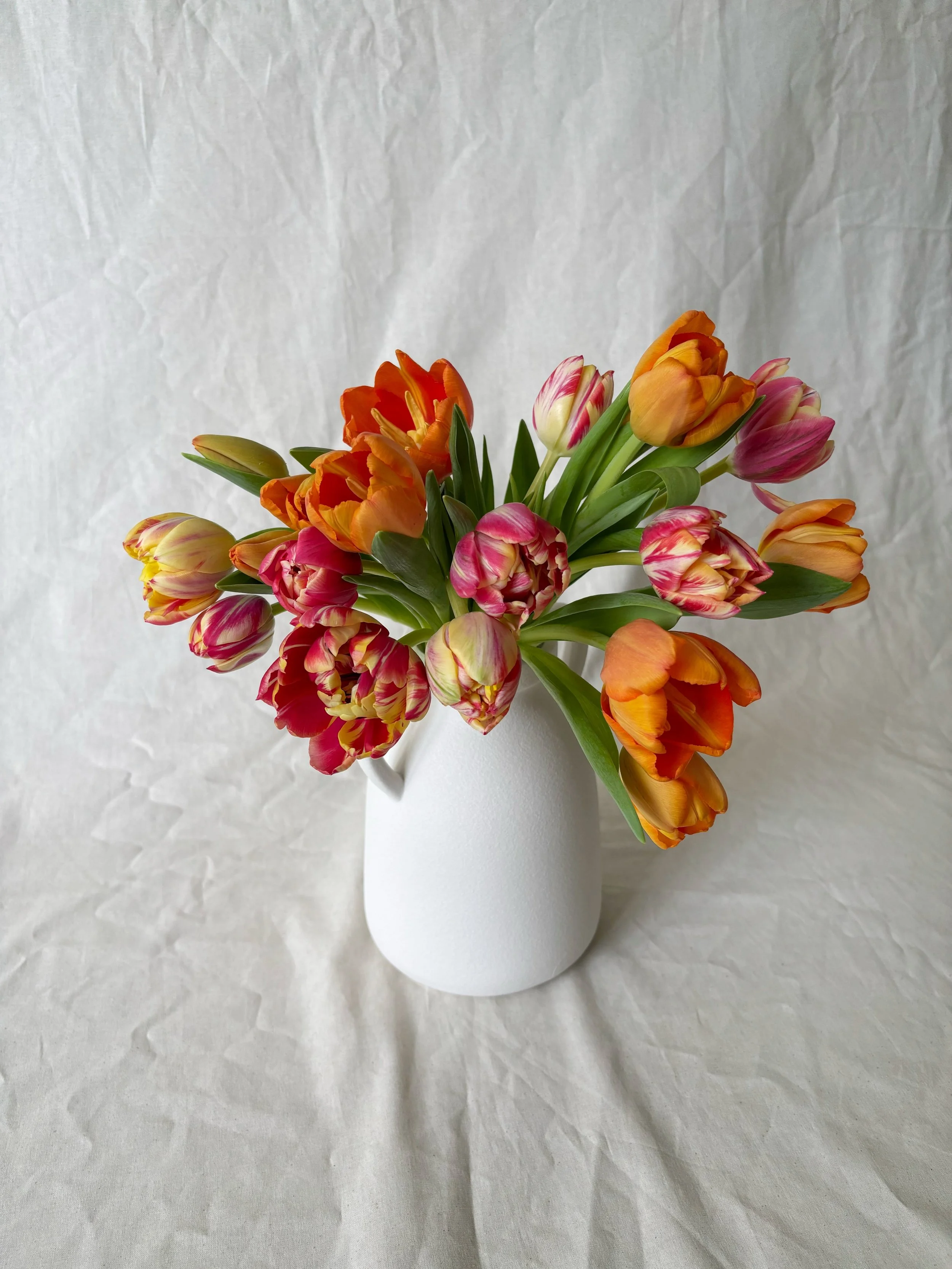
Tulips are popular for spring events and celebrations, and their meanings can add a special touch to your arrangements.
What is the significance of daisies?
Daisies are cheerful flowers that symbolize innocence, purity, and new beginnings. Their simple beauty makes them popular for various occasions:
Classic daisies: Represent loyal love and purity. They are often used in bouquets for weddings and baby showers.
Gerbera daisies: Signify beauty, cheerfulness, and innocence. These vibrant blooms are excellent for uplifting gifts or brightening someone's day.
Daisies are versatile and can add a fresh, whimsical touch to any arrangement or gift.
What does a sunflower mean?
Sunflowers are known for their bright, sunny disposition, symbolizing:
Adoration and loyalty: Sunflowers turn toward the sun, representing devotion and faithfulness.
Happiness and warmth: Their bright yellow petals evoke feelings of joy and cheer, making them perfect for uplifting gifts.
Sunflowers are excellent choices for celebrations, summer events, or to bring a smile to someone’s face.
How do different cultures interpret flower meanings?
Flower meanings can vary across different cultures, adding depth to their significance:
Chrysanthemums: In many Asian cultures, chrysanthemums symbolize life and rebirth, while in some European cultures, they are associated with death.
Orchids: Often symbolize beauty and luxury in Western cultures, while in Chinese culture, they can represent fertility and refinement.
Lotus flowers: Hold significant meaning in Eastern cultures, symbolizing purity and spiritual awakening.
Understanding these cultural interpretations can enhance your gifting choices and show sensitivity to the recipient's background.
How can I choose flowers based on their meanings?
Choosing flowers based on their meanings allows you to convey your sentiments effectively. Here are some tips:
Consider the occasion: Think about the event or emotion you want to express. For romantic occasions, roses or tulips are ideal. For sympathy, opt for lilies or chrysanthemums.
Personalize your choices: If you know the recipient's favorite flower or color, incorporate that into your arrangement while still considering the flower's meaning.
Create a bouquet with mixed meanings: Combine different flowers to create a more complex message. For example, a bouquet with red roses, white lilies, and yellow daisies can symbolize love, purity, and joy all at once.
Use flower meanings for DIY projects: When creating arrangements or crafts, incorporate flowers with meanings that resonate with you or the recipient.
By understanding and applying flower meanings, you can create thoughtful and meaningful gifts that truly convey your feelings.
Key Takeaways for Flower Meanings:
Roses: Symbolize love; colors convey different emotions.
Lilies: Represent purity and passion, depending on the type.
Tulips: Signify love and cheerful thoughts with various colors.
Daisies: Cheerful symbols of innocence and new beginnings.
Sunflowers: Represent adoration and happiness.
Cultural variations: Flower meanings can differ by culture, adding depth to their significance.
Understanding flower meanings enhances the beauty of gifting and arrangements, allowing you to express sentiments in a heartfelt manner. Next time you buy flowers, consider their meanings to make your gift even more special!
Occasions and Flower Choices: Which Flowers Are Best for Different Events?
Flowers can speak volumes, especially when chosen thoughtfully for specific occasions. From weddings and birthdays to funerals and anniversaries, the right flower can convey feelings of love, sympathy, or joy. This guide answers all your questions about which flowers are best suited for different events, helping you pick the perfect blooms for any occasion. Whether you're celebrating, mourning, or simply sending a thoughtful gift, this article will walk you through the best floral choices.
What flowers should I choose for a wedding?
Weddings are one of the most popular occasions for floral arrangements, and choosing the right blooms is key to setting the tone. But what flowers work best for this special day?
The classic wedding flower is the rose, available in countless colors, it's a symbol of love and beauty. White or cream roses are traditionally used for bridal bouquets, while red roses signify passion. Other romantic choices include peonies (representing prosperity and good fortune), lilies (symbolizing purity and refined beauty), and hydrangeas (which represent heartfelt emotions and gratitude).
For a more unique look, consider using native Australian flowers such as banksia or waratah, which add texture and a rustic, local touch. Don't forget to take into account the season—spring and summer weddings are perfect for light, fresh blooms like tulips or orchids, while autumn and winter weddings pair well with chrysanthemums or camellias.
What are the best flowers to send for a birthday?
When sending birthday flowers, you want to choose blooms that reflect the recipient’s personality and the joy of the occasion. But which flowers are the best for a birthday celebration?
For a cheerful and vibrant option, sunflowers are an excellent choice, representing happiness and optimism. Gerbera daisies, with their bold colors and playful appearance, are another great option that symbolizes cheerfulness. Lilies are versatile and elegant, making them a sophisticated option for birthday bouquets, while tulips are perfect for expressing love and appreciation.
If you want to personalize your gift further, consider sending birth month flowers:
January: Carnations
February: Violets
March: Daffodils
April: Sweet peas
May: Lilies of the Valley
June: Roses
July: Larkspurs
August: Gladiolus
September: Asters
October: Marigolds
November: Chrysanthemums
December: Holly
Which flowers are appropriate for funerals and sympathy arrangements?
Funerals and sympathy flowers should convey respect, compassion, and support during a difficult time. But how do you choose flowers that appropriately reflect these sentiments?
Lilies are a traditional choice for funerals, symbolizing the restored innocence of the soul of the deceased. White lilies, in particular, are associated with purity and peace. Roses are also a popular option, with white roses symbolizing reverence and red roses conveying love and respect.
What flowers should I give for an anniversary?
Anniversaries are a time to celebrate love and commitment, and the right flowers can convey a powerful message. But which flowers are best for marking this special occasion?
For a traditional anniversary gift, roses are an obvious choice, with red roses symbolizing deep love and passion. Other romantic options include tulips, which represent perfect love, and orchids, which symbolize rare and delicate beauty. Peonies, associated with prosperity and a happy marriage, are also a popular anniversary flower.
If you're looking for something more personalized, consider matching the flowers to the anniversary year. For example, lilies are the traditional flower for the 30th anniversary, while daisies are associated with the 5th anniversary.
Which flowers are best for Valentine’s Day?
Valentine’s Day is all about love, and the flowers you choose can send a romantic message. But what are the best flowers for this day of love?
The red rose is the quintessential Valentine’s Day flower, symbolizing passion and romance. For a twist on the classic, consider pink roses, which represent admiration and sweetness, or white roses, which signify purity and new beginnings.
If you’re looking for something less traditional, tulips are a beautiful alternative, symbolizing perfect love. Lilies, with their elegant appearance, are also a sophisticated choice for Valentine’s Day.
For something a little more exotic, you might opt for orchids, which represent rare beauty and strength, or ranunculus, known for their charming, layered petals.
What are the best flowers for Mother’s Day?
Mother’s Day is the perfect occasion to show appreciation, and flowers are a wonderful way to express love and gratitude. But what flowers should you send?
Carnations are the traditional Mother’s Day flower, symbolizing a mother’s undying love. Pink carnations, in particular, are associated with gratitude and admiration. Lilies are another popular option, representing the nurturing and caring nature of mothers.
For a fresh and vibrant bouquet, consider sending gerbera daisies, which symbolize cheerfulness and warmth. Roses are also a lovely choice, with white roses representing purity and pink roses conveying gratitude.
If you’re looking for something more personal, consider using birth flowers based on the month your mother was born, or her favorite color or flower type.
What flowers should I choose for congratulations or special achievements?
Whether it’s a graduation, promotion, or new job, flowers are a great way to say “congratulations!” But which flowers are best for celebrating success?
Sunflowers are an excellent choice for congratulatory bouquets, symbolizing happiness, success, and positivity. Daisies and tulips also make great choices, conveying joy and good wishes. Orchids are another option, representing strength, elegance, and beauty, making them a sophisticated congratulatory gift.
For a more playful and colorful arrangement, consider gerbera daisies, which are perfect for celebrating cheerful occasions and brightening someone’s day.
Key Takeaways for Choosing Flowers by Occasion:
Weddings: Opt for romantic flowers like roses, peonies, or lilies.
Birthdays: Choose cheerful flowers like sunflowers, gerbera daisies, or birth month flowers for a personalized gift.
Funerals: Lilies, roses, and chrysanthemums are traditional sympathy flowers that express respect and peace.
Anniversaries: Roses, tulips, and orchids are classic choices for celebrating love and commitment.
Valentine’s Day: Red roses are the ultimate romantic gesture, with tulips, lilies, and orchids offering elegant alternatives.
Mother’s Day: Carnations, lilies, and gerbera daisies are perfect for expressing gratitude and love.
Congratulations: Sunflowers, daisies, and orchids convey happiness, success, and strength.
Choosing the right flowers for each occasion not only enhances the meaning behind the gift but also helps convey the emotions you want to express. Whether you’re celebrating, commemorating, or showing love, flowers are a timeless way to communicate your message.
Between Rio Heat and Copenhagen Cloud
Shop subscriptions or make a one-time purchase here.
Finding my way through colour, chaos, and quiet confidence.
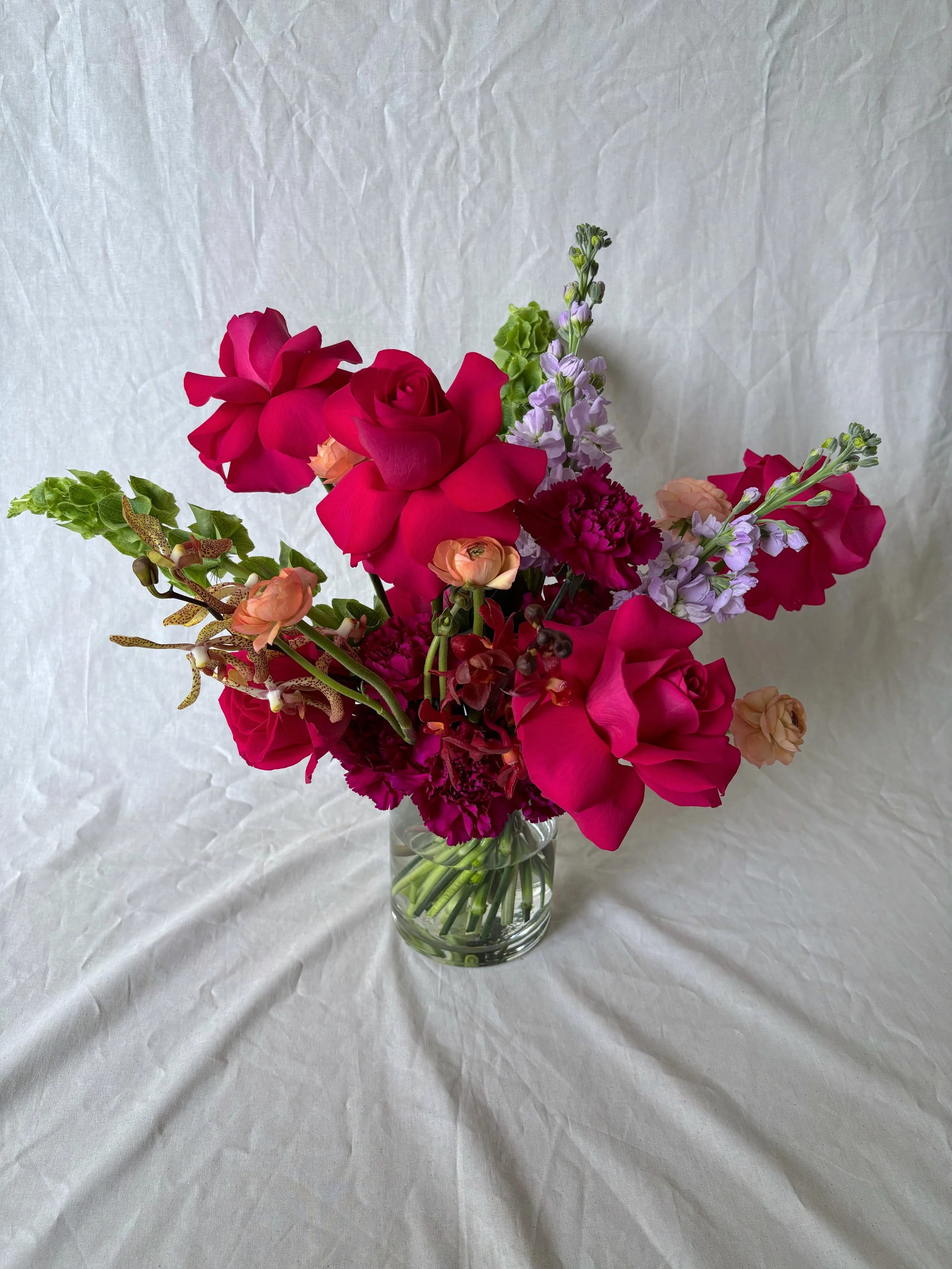
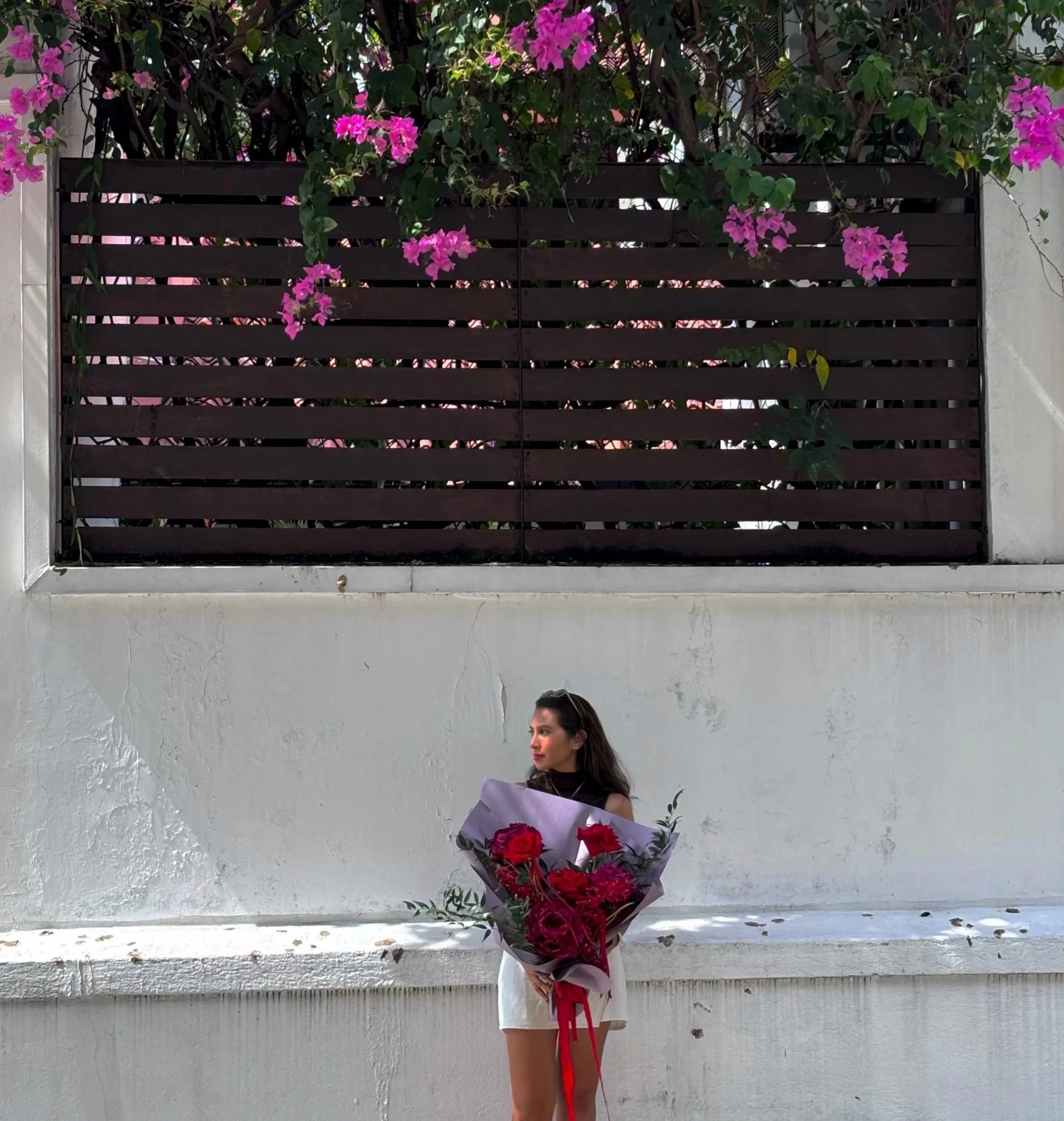
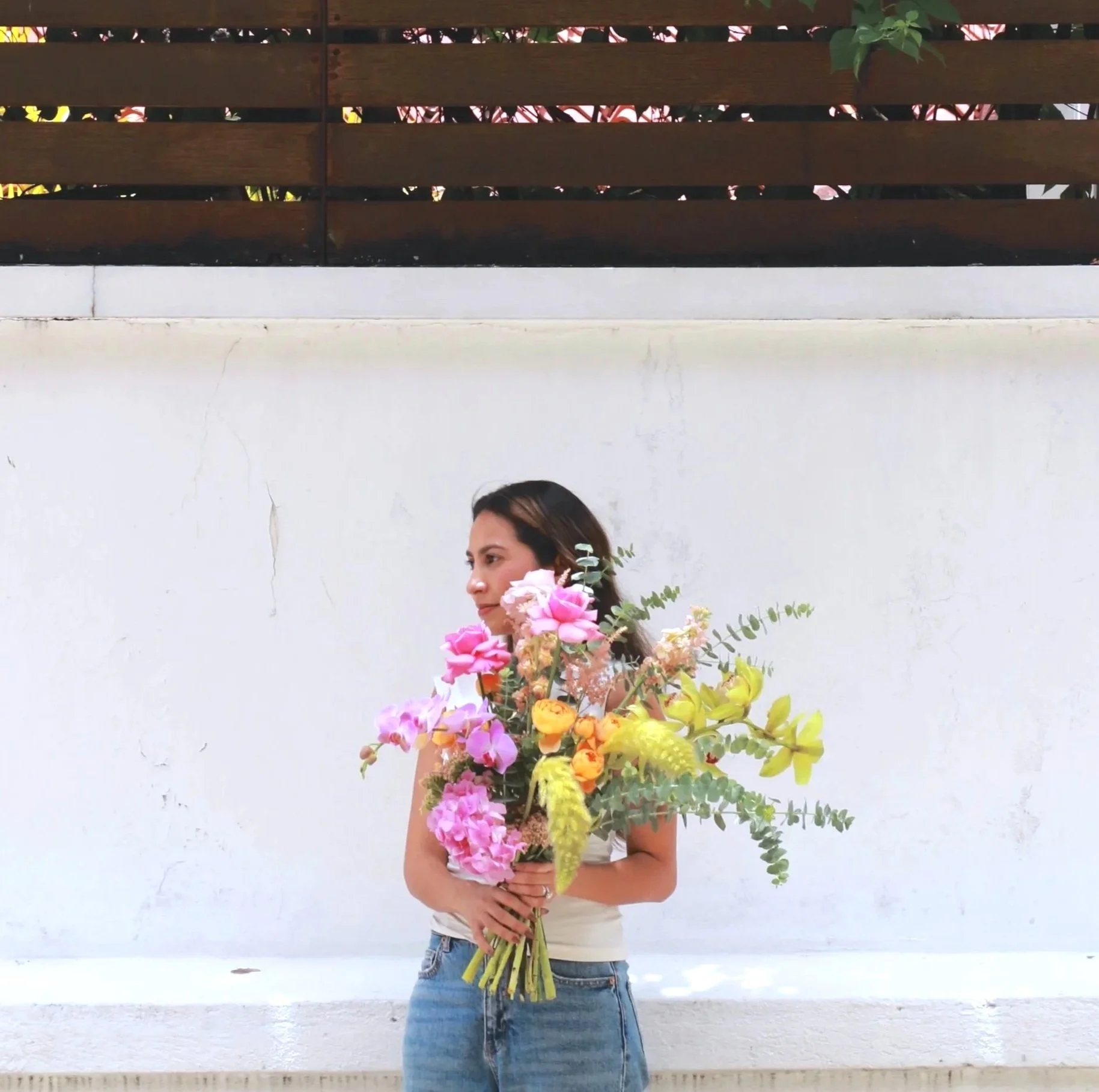
When I first started dreaming up Rio Heat and Copenhagen Cloud, I wasn’t just thinking about flowers; I was thinking about moods. About the days that feel like a burst of summer, bright, messy, and alive, and the ones that drift by like soft light through a window.
But if I’m honest, in between those two moods sits another one: doubt.
Putting these collections together, I found myself wondering Who am I to create this? Who am I to design, name, and sell something that comes from my heart and call it a brand? That little voice that says, You’re not really a florist, you’re just trying to look like one, still shows up sometimes.
And yet, every time I walk through the flower market at dawn, fingers cold, hands full of coral roses and blush lisianthus, I remember why I’m here. Because beauty is real, imperfect, fleeting beauty doesn’t need permission. It just needs presence.
Rio Heat was born from the chaos of colour. It’s for the parts of me that want to take up space, to be seen, to live loud and unapologetically. Copenhagen Cloud is the other side, the soft breath after a long week, the quiet reminder that calm can also be strong.
Maybe that’s what this journey is learning: that both can exist together. The bold and the gentle. The confident and the uncertain. The artist and the imposter.
And maybe, just maybe, that is what makes it real.
Why I Started Frändén & Co.
Flowers have always felt like more than just a beautiful thing to me; they’re expressions of emotion, memories in bloom, and fleeting pieces of art that connect us to something bigger.
I wasn’t someone who had always received flowers myself. In fact, the first time I ever received a bouquet was from my then-boyfriend, now husband. Which feels kind of crazy, because by the time I met him, I had already been in two long-term relationships. That first bouquet hit me in a way I didn’t expect; it wasn’t just petals and stems; it felt like a message, a moment, a story being handed to me.
Starting Frändén & Co. was my way of turning that quiet love into something I could share. I wanted to create a space where flowers aren’t just arranged, but thoughtfully designed to feel like they carry a story. Every hand-tied bouquet is made with intention, whether it’s for a wedding, a home subscription, or a simple “thinking of you” moment.
Why Solemnisation Bundles?
I got married at home, in a very small, intimate ceremony. I’ve never been one for public displays of affection, and I wanted the day to feel like it was just us, quiet, personal, and meaningful. I even made an arrangement for the table where the ceremony would take place, carefully crafting every bloom myself… but somehow, in all the excitement, I completely forgot about a bouquet for myself to hold! That moment made me laugh later, but it also reminded me that flowers aren’t just decorative; they’re companions, memories, and little storytellers in our lives.
A solemnisation ceremony is intimate, meaningful, and often the moment couples most want to feel close and connected, whether it’s just the two of them or a small gathering. The flowers for this occasion should reflect that intimacy: personal, thoughtful, and effortless. That’s why we created Solemnisation Bundles. Each bundle comes with a hand-tied bouquet and a matching buttonhole, so the couple’s floral story is cohesive, beautiful, and simple. It’s designed to take the stress out of choosing separate pieces, while still feeling luxe, elegant, and intentional.
We want couples to focus on what really matters, the love, the vows, the memories, while their flowers quietly enhance the moment. Because at Frändén & Co., we believe flowers aren’t just decoration; they’re companions for life’s most meaningful moments.
Designing my first wedding bouquet here in Singapore showed me how deeply meaningful this work could be. I’m excited to bring creativity, artistry, and heart into crafting something beautiful for one of the most cherished moments of your life.
Alishia Frändén